



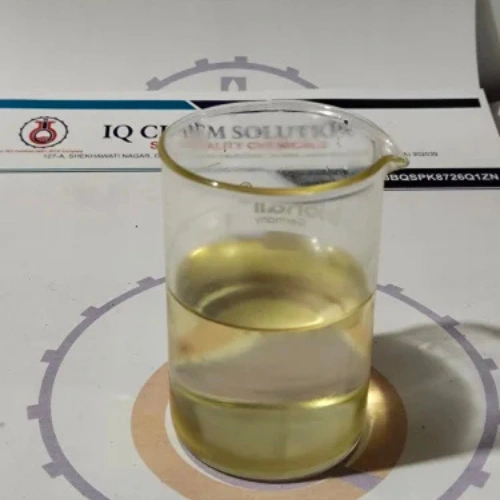
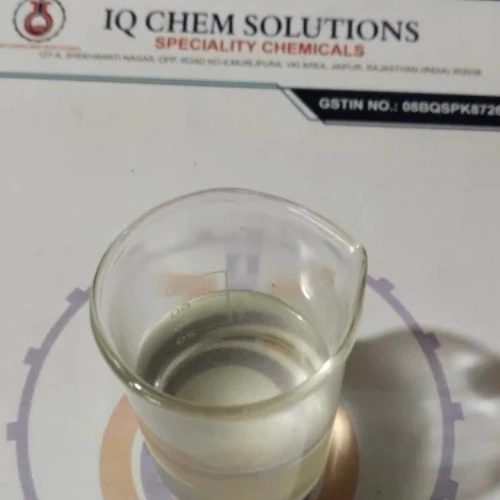
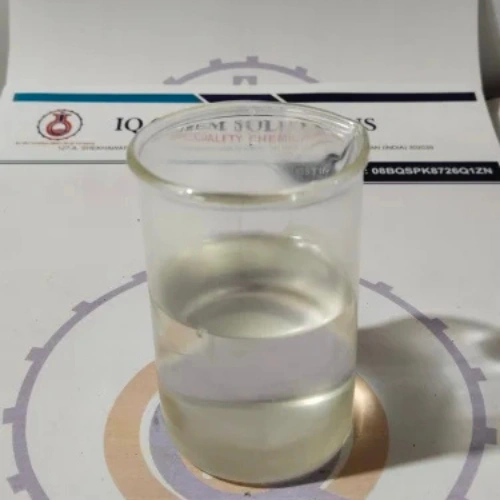

Description
1. Base Fluid: The base fluid in brake oil is typically either a mineral oil, glycol-based, or synthetic fluid. These base fluids are chosen for their ability to operate under high-pressure conditions and their resistance to temperature fluctuations.
Glycol-based fluids (DOT fluids like DOT 3, DOT 4, DOT 5, and DOT 5.1) are the most common, made from a mixture of ethylene glycol or diethylene glycol and other additives. These are highly hygroscopic, meaning they absorb moisture from the air, which can lower their boiling point and affect performance over time.
Mineral oil-based fluids are commonly used in certain vehicles but are less common than glycol-based fluids.
Silicone-based fluids (such as DOT 5) are less common, offering resistance to moisture absorption and generally a higher boiling point. However, silicone brake fluids can be incompatible with some braking systems.
2. Properties of Brake Fluid:
High Boiling Point: Brake fluid must be able to withstand high temperatures generated by braking without boiling. This is crucial to prevent brake fade or failure.
Viscosity: The fluid must have an appropriate viscosity to ensure smooth operation of the hydraulic system, even at high temperatures.
Corrosion Resistance: Brake fluid must protect metal components in the braking system, such as the master cylinder, calipers, and brake lines, from corrosion.
Non-compressibility: Brake fluid should not compress under pressure, ensuring that the force applied to the brake pedal is transferred effectively to the brake components.
Hygroscopic Nature: Most brake fluids (except DOT 5) are hygroscopic, meaning they absorb water over time. This can lower the fluid’s boiling point and cause corrosion inside the braking system, which is why brake fluid needs to be replaced periodically.
3. Additives:
Brake oil may include a range of additives to improve its properties, such as:
Anti-foaming agents to prevent air bubbles from forming within the fluid.
Corrosion inhibitors to protect the metal parts of the brake system.
Stabilizers to ensure the fluid remains effective under high temperatures and over time.
Water scavengers to help mitigate the effects of absorbed moisture.
Conclusion:
Brake fluid plays a vital role in the effective operation of a vehicle’s braking system. The base fluid, whether glycol-based, mineral oil-based, or silicone-based, must maintain specific properties, such as high boiling points, low compressibility, and corrosion resistance. Regular maintenance and fluid replacement are essential for safe and efficient braking performance.
Additional Information:
- Item Code: ICS162
- Delivery Time: 1-5 DAYS
- Packaging Details: DRUM